Virtual Private Server

What Is a Virtual Private Server (VPS)?

What Is a Virtual Private Server (VPS)?

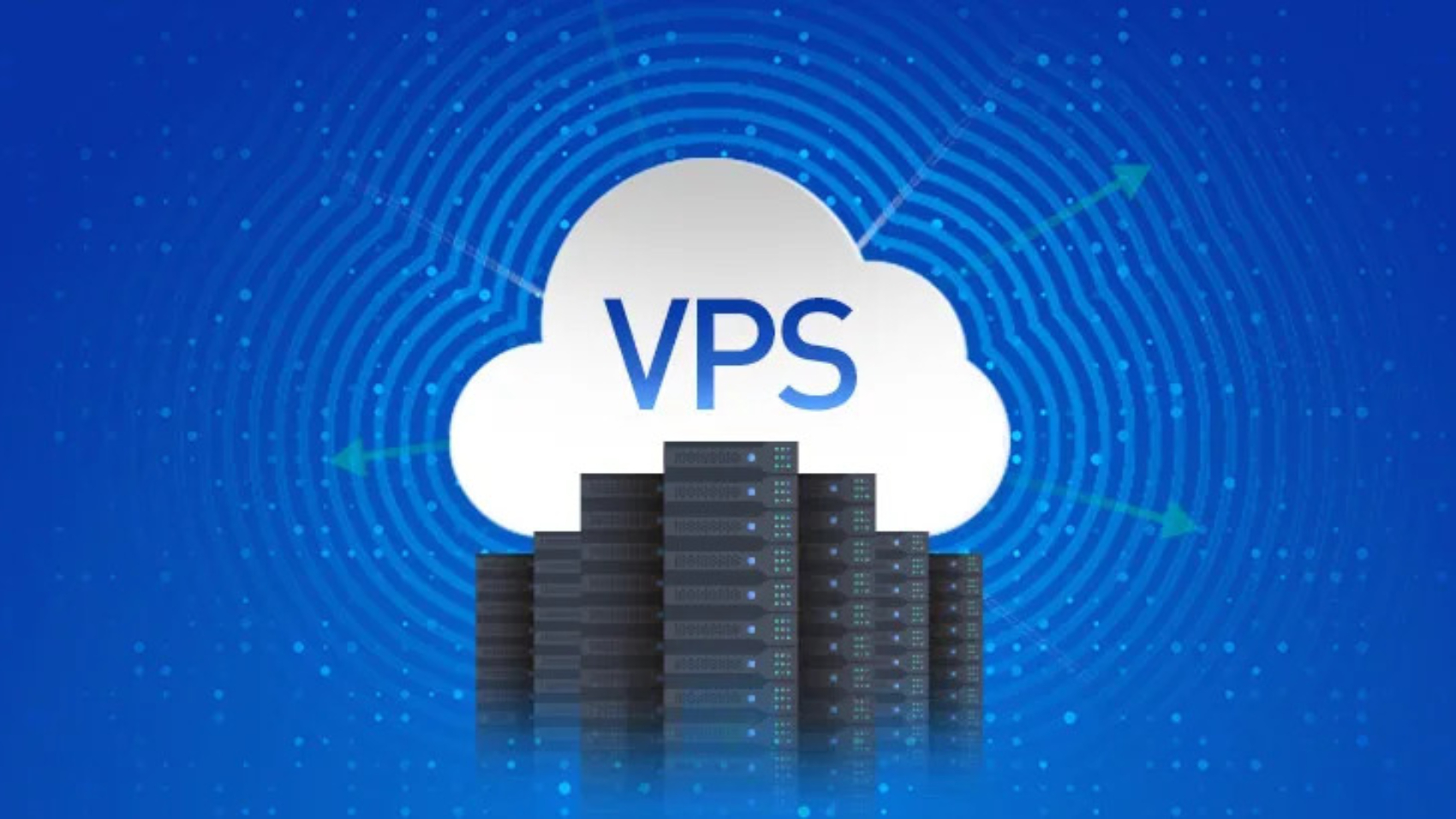
A virtual private server, or VPS, is an isolated virtual environment on a physical server that is owned and managed by a cloud or web hosting company. VPS hosting employs virtualization technology to divide a single physical machine into many private server environments that share resources.

A virtual private server (VPS) is a virtual system that delivers virtualized server resources on a physical server shared by several customers. VPS hosting provides dedicated server space with a set amount of resources, allowing for better flexibility and customization than shared hosting.

How does a VPS work?

A VPS represents a dedicated server hosting environment, despite the fact that you share a single physical server with other users. Your hosting company creates a hypervisor, or virtual layer, on top of the real server’s operating system (OS), dividing it into virtual compartments. This layer allows each of these compartments to run their own operating system and software, allowing them to function independently of one another.

Even though you are technically sharing resources with other users, yours are guaranteed. You pay a fixed amount that is allocated to your VPS and cannot be used by another account.

Virtual private server vs. dedicated server

To understand the differences between a virtual private server (VPS) and a dedicated server, first consider the various types of web hosting services available.

Shared hosting is a type of web hosting service where multiple websites are hosted on a single physical server. Each website shares the server’s resources, including CPU, disk space, and memory. This setup is generally more affordable because the cost of maintaining the server is spread across many users. However, since resources are shared, the performance of your website can be affected by the activity of other websites on the same server. Shared hosting is suitable for small to medium-sized websites with moderate traffic levels.

Dedicated hosting is the opposite of shared hosting. In dedicated hosting, a single server is dedicated solely to one client or user. This means that all of the server’s resources, including CPU, disk space, memory, and bandwidth, are exclusively available to that client. Dedicated hosting offers greater control, flexibility, and customization options compared to shared hosting. It is ideal for websites or applications that require high performance, extensive resources, or specific server configurations. Since you have full control over the server, you can install custom software, configure security settings, and optimize performance according to your needs.

VPS hosting sits at the midpoint between shared hosting and dedicated hosting. It’s a type of web hosting where a physical server is partitioned into multiple virtual servers, each operating independently as if it were a dedicated server. Each virtual server has its own operating system, allocated resources (such as CPU, RAM, and storage), and can be customized and configured independently.

VPS hosting offers more control, flexibility, and scalability compared to shared hosting. While multiple virtual servers share the same physical hardware, they are isolated from each other, providing better security and performance compared to shared hosting.

VPS hosting is often chosen by businesses or individuals who need more resources and control than what shared hosting offers, but don’t require the entire physical server that dedicated hosting provides. It’s suitable for websites with moderate to high traffic, e-commerce sites, web applications, and development environments.

Let's use an analogy to help explain the differences between a VPS and a dedicated server.

Consider a VPS server to be the equivalent of reserving a private room at a restaurant to celebrate a special occasion such as your birthday. Instead of eating at a table in the main restaurant with other customers (shared server), you can have a private dining experience that is tailored to your specific needs.

You receive all of the seats, tables, dishes, and cutlery needed for your guests and can arrange them however you want. You can request a different menu or drink special that your guests can select based on their preferences. However, you will share the kitchen, staff, and other amenities with other customers.

A dedicated server is similar to renting out an entire venue and hiring a catering and event company. You have complete control over every aspect of your party, and all resources will be reserved exclusively for your group of guests, but it will be extremely expensive.


small business web hosting

Best Web Hosting Services for 2024

Zeek studio

Best Web Hosting Services for 2024

Disclosure: This content is reader-supported, which means if you click on some of our links, we may earn a commission.

Get Right To Our Top 3 Hosting Picks

Having a website is super important for businesses today, and to create a good website, you need good web hosting. But with so many options out there, it can be a bit tricky to pick the right one. As a seasoned web development agency, we’ve rigorously tested numerous hosting providers to bring you the best. Check out our top 3 web hosting choices, carefully vetted for reliability, speed, and developer-friendly features.

#01
  • Starting price$2.49 per month
  • Free Domain1st Year Included
  • Free SSLUnlimited
  • 1-Click WordPress InstallerAvailable
  • Money Back Guarantee45-days
  • Support24/7/365 Availability
#02
  • Starting price$1.79 per month
  • Free DomainOnly 4 TLDs
  • Free SSLUnlimited
  • 1-Click WordPress InstallerAvailable
  • Money Back Guarantee45-days
  • Support24/7 Human Support
#03
  • Starting price$2.95 per month
  • Free Domain1st Year Included
  • Free SSLUnlimited
  • 1-Click WordPress InstallerAvailable
  • Money Back Guarantee45-days
  • Support24/7 Award-winning

Now, let’s dive into a broader selection with our ‘Top 10 web hosting services’ list. Discover even more choices to ensure you make the most informed decision for your website’s success. Whether you’re launching a personal blog or managing a business site, we’ve got you covered with a range of hosting solutions tailored to various preferences and requirements.

Top 10 Best Web Hosting Services For 2024

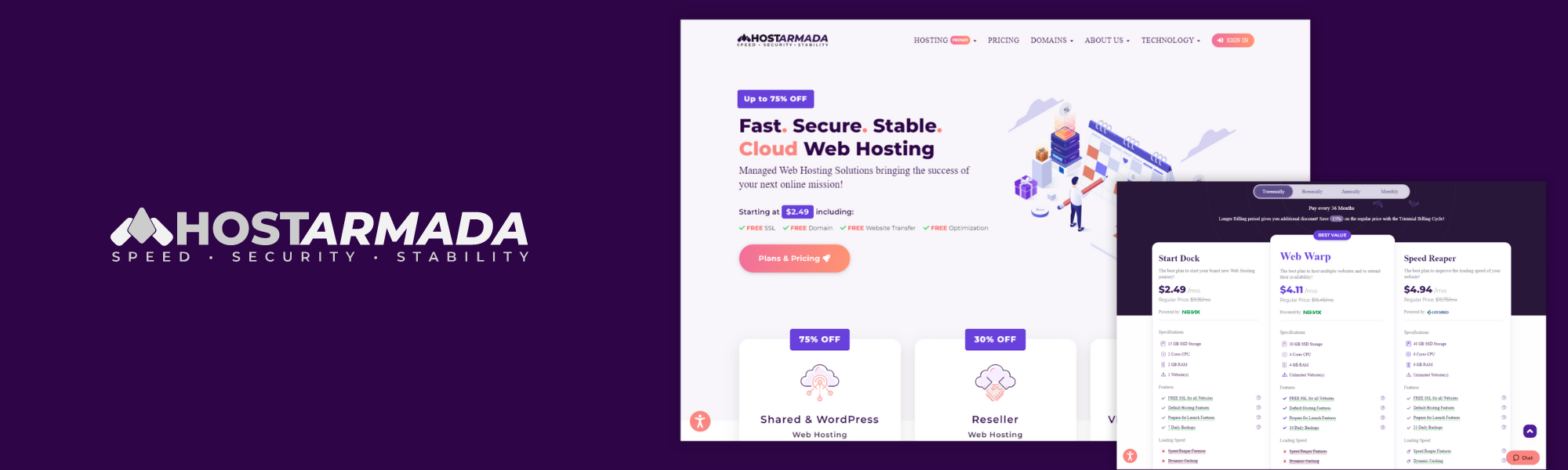
  1. HostArmada: Best Overall
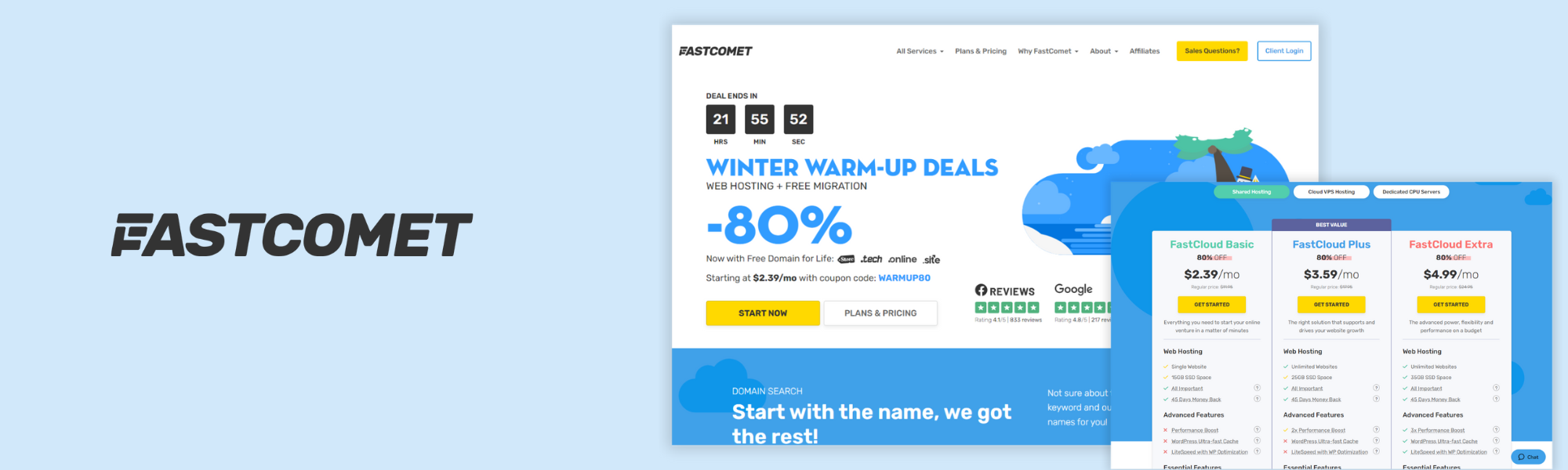
  2. FastComet: Fast and Secure Web Hosting
  3. ChemiCloud: Hosting Plans for Every Website
  4. Bluehost: Best for WordPress beginners
  5. Wp Engine: Best Managed WordPress Hosting
  6. TMDhosting: Best for Fast-Growing Businesses
  7. Interserver: Best for Website Security
  8. Rocket.net: Simple, Fast, and Secure WordPress Hosting
  9. Hostwinds: Best for Content-Heavy Sites
  10. Domain.com: Affordable Hosting Plans

HostArmada: Best Overall

#01

HostArmada stands out as a top-tier web hosting provider, offering blazing-fast performance, reliable uptime, and stellar customer support. Their user-friendly interface, free daily backups, and 24/7 support team dedicated to resolving issues promptly make them an excellent choice for both beginners and experienced website owners.

Key Features and Pricing Highlights

Pros

Cons

FastComet: Fast and Secure Web Hosting

#02

FastComet is a reliable web hosting provider known for its exceptional performance and customer support. With data centers worldwide, they offer fast loading times and 99.9% uptime. Their user-friendly interface and robust features make FastComet a popular choice for individuals and businesses seeking reliable hosting services.

Key Features and Pricing Highlights

Pros

Cons

ChemiCloud: Hosting Plans for Every Website

#03

ChemiCloud offers versatile hosting plans designed to accommodate the needs of all websites, from personal blogs to business enterprises. With data centers strategically located worldwide, they provide a robust platform backed by a user-friendly interface and competitive pricing. ChemiCloud’s commitment to customer satisfaction makes it a popular choice in the hosting industry.

Key Features and Pricing Highlights

Pros

Cons

Bluehost: Best for WordPress Beginners

#04

Bluehost is a widely recognized web hosting provider known for its reliability and user-friendly services. With a strong emphasis on WordPress hosting, Bluehost offers a seamless experience for individuals and businesses, combining performance, security, and 24/7 customer support. Their competitive pricing and feature-rich packages make Bluehost a popular choice for those seeking a trustworthy hosting solution.

Key Features and Pricing Highlights

Pros

Cons

Wp Engine: Best Managed WordPress Hosting

#05

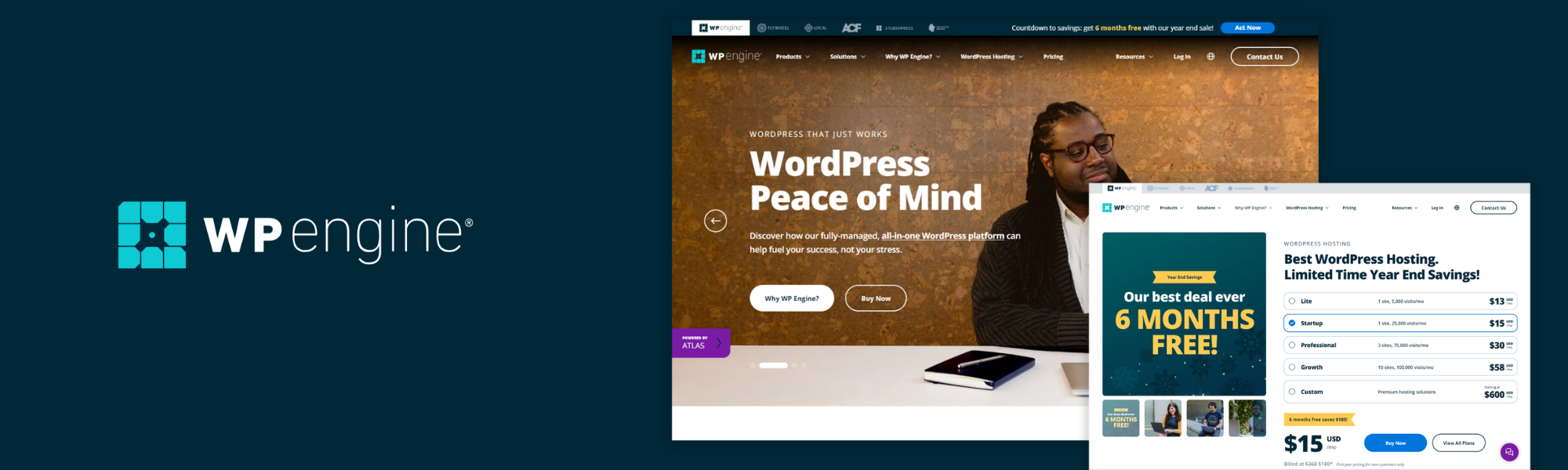
WP Engine is a premier managed WordPress hosting provider renowned for its exceptional speed, security, and scalability. Catering exclusively to WordPress websites, WP Engine offers advanced features like automatic updates, daily backups, and expert support, making it a preferred choice for businesses seeking a reliable and optimized WordPress hosting environment. With a focus on performance and innovation, WP Engine stands out as a top-tier hosting solution for WordPress users.

Key Features and Pricing Highlights

Pros

Cons

TMDHosting: Best for fast growing businesses

#06

TMDHosting is a reputable web hosting company known for its high-performance services, excellent customer support, and diverse hosting solutions. TMDHosting offers fast loading times, reliable uptime, and a range of hosting plans suitable for individuals, businesses, and developers. Their user-friendly interface and commitment to customer satisfaction make TMDHosting a reliable choice in the competitive hosting landscape.

Key Features and Pricing Highlights

Pros

Cons

Interserver: Best for Website Security

#07

Interserver is recognized for its affordable yet feature-rich hosting solutions. With a focus on customer satisfaction, Interserver offers unlimited storage, easy scalability, and a price-lock guarantee, ensuring customers maintain their initial hosting rates. Their reliable performance and transparent pricing make Interserver a popular choice for individuals and businesses seeking cost-effective and dependable hosting services.

Key Features and Pricing Highlights

Pros

Cons

Rocket.net: Simple, Fast, and Secure WordPress Hosting

#08

Rocket.net is a managed WordPress hosting platform known for its exceptional speed, security, and ease of use. Rocket.net ensures fast-loading websites, while robust security features and automatic backups provide a secure hosting environment. The platform’s focus on simplifying the WordPress hosting experience makes Rocket.net a preferred choice for individuals and businesses looking for a reliable and efficient managed hosting solution.

Key Features and Pricing Highlights

Pros

Cons

Hostwinds: Best for Content-Heavy Sites

#09

Hostwinds is a versatile web hosting provider, offering a range of hosting solutions tailored to different needs. Known for its robust infrastructure, excellent customer support, and competitive pricing, Hostwinds caters to individuals and businesses alike. With features like unlimited bandwidth, SSD storage, and a user-friendly interface, Hostwinds provides a reliable hosting experience with options for shared, VPS, and dedicated hosting.

Key Features and Pricing Highlights

Pros

Cons

Domain.com: Best For Content-Heavy Sites

#10

Domain.com provides reliable web hosting services with a focus on simplicity and affordability. With a user-friendly interface and 24/7 customer support, they offer a range of hosting plans suitable for individuals and small businesses. Domain.com’s hosting services come with features like unlimited disk space, bandwidth, and a free domain name, making them a convenient choice for those looking for straightforward and cost-effective hosting solutions.

Key Features and Pricing Highlights

Pros

Cons

What to Look for When Selecting a Provider

Selecting the right web hosting provider is a critical decision that directly impacts the performance, security, and success of your online venture. With a myriad of options available, it’s crucial to identify the key factors that make a hosting provider the right fit for your needs. In this article, we’ll explore the essential elements to consider when choosing a web hosting provider.

1. Performance and Reliability: The Bedrock of Hosting Success

High-performance servers and reliable uptime are fundamental to the success of your website. Look for a hosting provider with a proven track record of uptime and fast server response times. Consider factors such as server location, hardware quality, and the provider’s commitment to redundancy to ensure your website stays online and responsive.

2. Scalability: Growing With Your Business

Your hosting needs may evolve over time, and a scalable hosting provider is essential for accommodating growth. Choose a provider that allows easy scaling of resources, whether through a flexible pricing structure, the ability to upgrade plans, or seamless integration with cloud services.

3. Security Measures: Safeguarding Your Digital Presence

Security is paramount in the online world. Assess the hosting provider’s security features, including SSL certificates, firewalls, malware detection, and regular backups. Look for providers that implement robust security protocols and keep abreast of the latest threats to ensure the safety of your website and data.

4. Customer Support: Your Lifeline in Times of Need

Reliable customer support is a non-negotiable aspect of web hosting. Consider the availability of support channels such as live chat, email, and phone support. Evaluate the responsiveness and expertise of the support team, as they play a crucial role in addressing issues and providing assistance when you need it the most.

5. User-Friendly Control Panel: Streamlining Management

A user-friendly control panel simplifies the management of your hosting account and website. Look for hosting providers that offer intuitive control panels, such as cPanel or Plesk, providing easy access to essential features like domain management, file uploads, and database administration.

6. Cost and Value: Finding the Right Balance

While cost is a significant factor, it’s essential to consider the value offered by a hosting provider. Compare pricing plans, but also evaluate the features, performance, and support included in each package. Beware of hidden fees and understand the renewal rates to avoid surprises down the road.

7. Reviews and Reputation: Learning from Others' Experiences

Research the hosting provider’s reputation by reading reviews from current or past users. Consider factors such as customer satisfaction, server performance, and support quality. Look beyond the provider’s marketing materials to gain insights into the real-world experiences of other users.

Choosing the Right Solution for Your Needs

Web hosting is a crucial aspect of establishing an online presence, whether you’re an individual blogger, a small business, or a large enterprise. With various web hosting types available, it’s important to understand their features and functionalities to make an informed decision. In this article, we’ll explore different web hosting types and discuss who should use each type based on specific requirements.

1. Shared Hosting

Shared hosting is one of the most economical options, making it ideal for beginners or those with budget constraints. In this setup, multiple websites share the same server resources, such as CPU, RAM, and storage. While cost-effective, shared hosting may not be suitable for high-traffic websites or resource-intensive applications.

Who should use shared hosting?

2. Virtual Private Server (VPS) Hosting

VPS hosting provides a middle ground between shared hosting and dedicated hosting. It involves dividing a physical server into multiple virtual servers, each with its dedicated resources. This allows for more control and customization compared to shared hosting.

Who should use VPS hosting?

3. Dedicated Hosting

Dedicated hosting provides an entire physical server dedicated to a single user or entity. This hosting type offers the highest level of performance, security, and customization. Dedicated hosting is suitable for large businesses, e-commerce sites, and applications with high resource demands.

Who should use dedicated hosting?

4. Cloud Hosting

Cloud hosting utilizes a network of virtual servers that draw resources from a pool of physical servers. This flexibility allows for seamless scalability, as users can adjust resources based on demand. Cloud hosting is known for its reliability and redundancy.

Who should use cloud hosting?

5. WordPress Hosting

WordPress hosting is optimized specifically for WordPress websites, offering features like automatic updates, enhanced security, and specialized support. This type of hosting caters to the unique needs of WordPress users.

Who should use WordPress hosting?

Conclusion:

Choosing the right web hosting type is essential for the success of your online venture. Consider your website’s size, traffic, and specific requirements to determine the most suitable hosting solution. Whether you’re a beginner on a tight budget or a large enterprise with complex needs, there’s a hosting type designed to meet your unique requirements.